
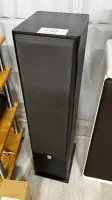

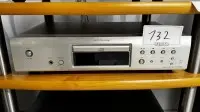
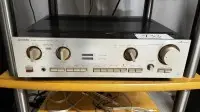
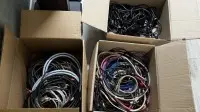
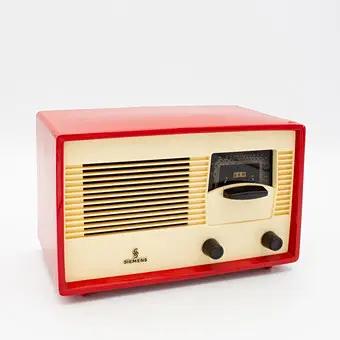
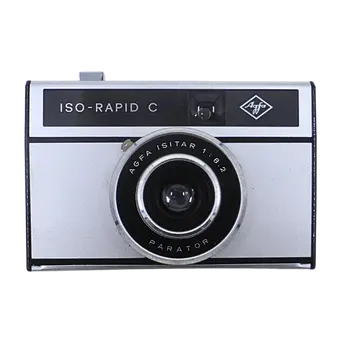
Where these image and sound lots come from
Lots come mainly from three sources. Zoll-Auktion sells surplus equipment from administrations, customs and municipalities, often in lots of several units. Justiz-Auktion offers goods seized by bailiffs and courts, including phones and tablets. Add to that insolvency stocks and liquidations, distributed by specialised platforms and hundreds of private auction houses. Equipment is generally sold as seen, sometimes described as "ungeprüft" or "defekt". Terms such as "Notebook", "Laptop" or "ohne Festplatte" indicate a laptop, often without a hard drive to protect data.
Checkpoints before bidding
Read every German description and spot the traps. "BIOS-Passwort" signals a locked computer, "Aktivierungssperre" or "iCloud-Sperre" an unusable iPhone or iPad because it is linked to the previous owner's Apple account. "MDM" or "Geräteverwaltung" indicates a device enrolled in a company fleet, "SIM-Lock" a carrier lock. Also check "ohne Netzteil" or "ohne Ladekabel", "Akku defekt", "ungeprüft" and "defekt". Keyboards are often German QWERTZ layout. Lithium batteries restrict shipping with many carriers, which encourages sale in lots for collection only.
Collection, delivery and fees
Many lots are collection only, marked "nur Abholung", notably because of lithium batteries. Some sellers ship within Germany or the EU. For private sellers, buyer's premiums generally range from 15 to 20% at liquidators and industrial platforms, often 25 to 33% at art auction houses, with German VAT of 19% depending on the scheme. Zoll-Auktion and Justiz-Auktion charge no buyer's premium. An EU business with a valid intra-community VAT number can often buy without German VAT by providing proof of transport, depending on the seller.