













Where these lots in Germany come from
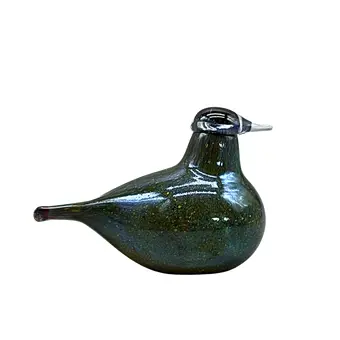
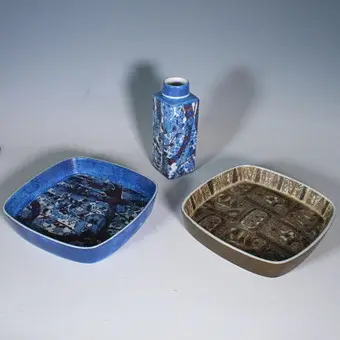
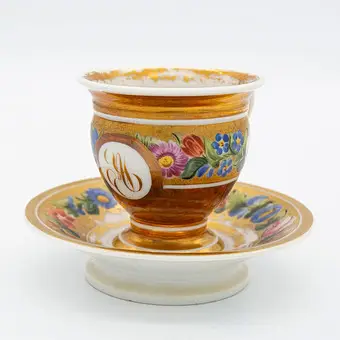
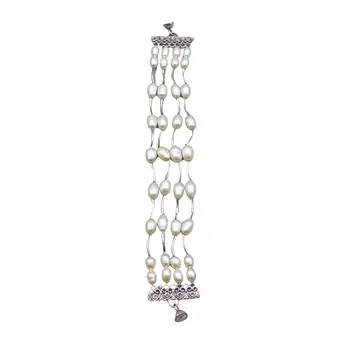
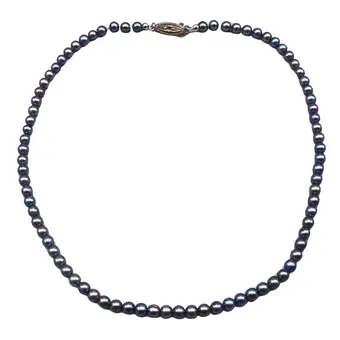
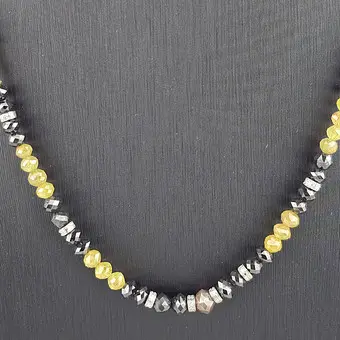
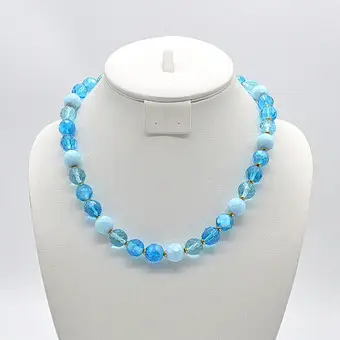
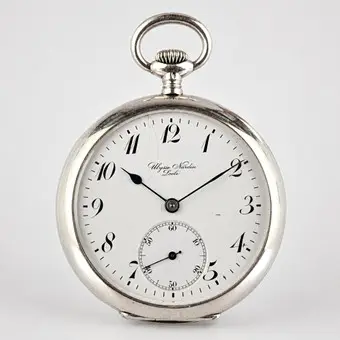
Art and collectible lots come from several sources. German auction houses hold catalogue sales, in the saleroom with live online bidding, or timed online sales. They offer paintings, antiques, jewellery, watches, coins, stamps, wines and spirits. Other lots come from public sales: goods seized by bailiffs and courts via Justiz-Auktion, items seized by customs via Zoll-Auktion. Liquidation and insolvency platforms also sell off stock, and VEBEG sells government equipment. Bidorado brings these scattered sales together and translates them, which helps you spot lots little known outside Germany.
How to bid from your country
Bidorado is a free search engine: it does not sell anything. You find a lot, then you bid on the seller's official website. At auction houses, registration is required before the sale. You can bid live online during the auction, or leave a purchase order (maximum limit) if you cannot follow the session. Published estimates (Schätzpreis) help you set your limit. On Justiz-Auktion and Zoll-Auktion, the process is done directly on the platform, with no buyer's premium. For VEBEG, some lots go through sealed tender. Prepare your documents and check the seller's terms before the close.
The real price: fees, VAT and resale royalty
At private auction houses, buyer's premium (Aufgeld) is added to the hammer price, often between 25 and 33 % for art and collectibles. German VAT of 19 % applies depending on the scheme: VAT added on top, VAT included, or the margin scheme (Differenzbesteuerung). On certain works by living or recent artists, a resale royalty (Folgerecht) may apply. Bidorado displays the all-in price to avoid unpleasant surprises. By contrast, Zoll-Auktion and Justiz-Auktion charge no buyer's premium. VEBEG often quotes prices excluding VAT. An EU business with a valid VAT identification number can often buy without German VAT by providing proof of transport (Gelangensbestätigung), depending on the seller.
Collection and transport of lots
Many lots must be collected on site (nur Abholung). This is common for paintings, antiques, jewellery, coins, stamps, wines and spirits. Some sellers ship within Germany or the EU, but this must be checked case by case. For a bulky or fragile lot, you can use a carrier or a relay address in Germany. Allow for packaging, insurance and the collection deadline set by the seller. For wines and spirits, transport may be regulated. For jewellery and watches, choose tracked and insured shipping. Plan these points before bidding: a lot not collected within the deadline may incur storage fees.
Paperwork and formalities
For certain valuable cultural goods, an export licence may be required outside the EU. Find out before buying, as the application takes time. Sales on Justiz-Auktion and Zoll-Auktion may involve seized jewellery and objects: read the description and the terms. Conditions are described in German: defekt (defective), ungeprüft (untested), ohne Festplatte (no hard drive), BIOS-Passwort (locked), nur für Gewerbetreibende (trade only). Bidorado flags them. For VAT, an EU business can provide proof of transport. Keep invoices, delivery notes and payment receipts: they may be requested on collection or delivery.
Pitfalls to avoid
Do not rely on the hammer price alone: add buyer's premium, VAT, any resale royalty, transport and insurance. Check the VAT scheme applied by the seller. Read the German description and mentions such as defekt, ungeprüft or nur Abholung. For jewellery, watches, coins and stamps, ask for additional photos and the precise condition. For wines and spirits, check the level, the label and the storage conditions. Do not place a purchase order without a clear limit. Many lots sell without a single bid, because sales are scattered and little known outside Germany: that is the purpose of the Bidorado Radar. Finally, respect the payment and collection deadlines.