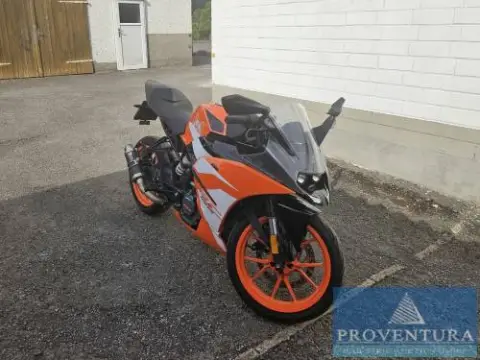
Where the motorcycles and two-wheelers for sale come from
Lots come mainly from German public auctions. Zoll-Auktion sells two-wheelers from administrative, customs, Länder and municipal fleets. Justiz-Auktion offers vehicles seized by bailiffs and courts. VEBEG, a federal company, sells equipment from the administration and the armed forces, often by sealed-bid tender. Add to this liquidation and insolvency platforms, plus hundreds of private auction houses. Motorcycles from bankrupt companies are common. Each seller applies their own terms: read them before bidding.
Checkpoints before bidding
Read the German description carefully. 'nicht fahrbereit' means not roadworthy, 'Motorschaden' engine damaged, 'Unfallfahrzeug' accident vehicle. Check 'ohne TÜV' or 'HU abgelaufen' (expired roadworthiness test), 'Zulassung erloschen' (registration cancelled) and the EZ, first registration. Documents matter: Zulassungsbescheinigung Teil I and II, HU/TÜV test. An inspection (Besichtigung) is often possible before the sale. Take into account buyer's fees and German VAT of 19% depending on the scheme. A bid generally offers neither warranty nor right of withdrawal.
Collection, transport and registration
Many lots are to be collected on site ('nur Abholung'). Some sellers ship within Germany or the EU. To ride outside Germany, the usual route is the export plate (Ausfuhrkennzeichen) with temporary insurance. Short-term plates (Kurzzeitkennzeichen) are intended for driving in Germany and their use abroad is often refused. Transport on a trailer avoids this issue. In France, a temporary WW registration is possible; to register, you need a certificate of conformity, a tax clearance certificate and an ANTS application. Outside the EU, import duties and import VAT apply.