

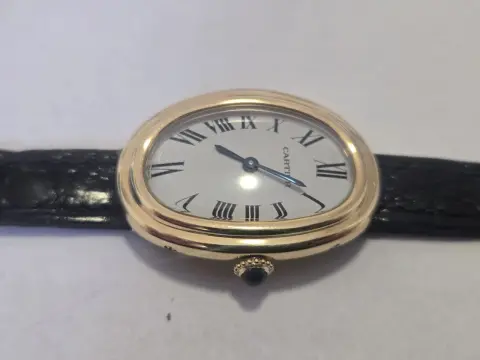

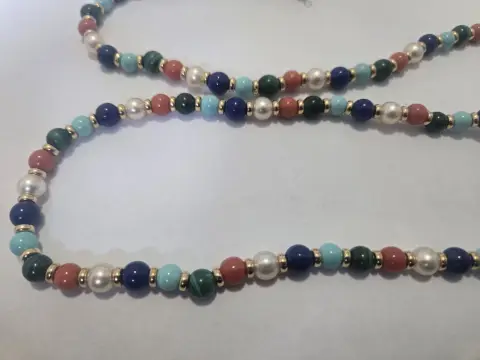


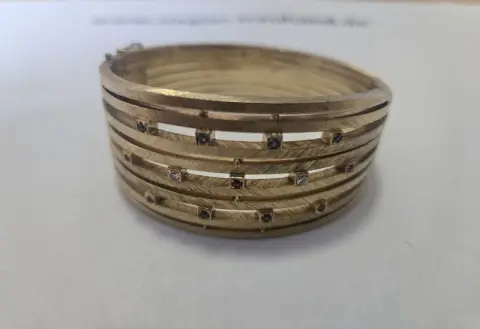
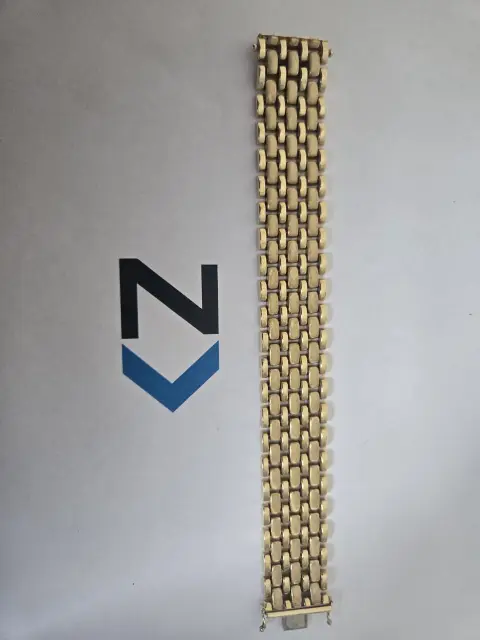
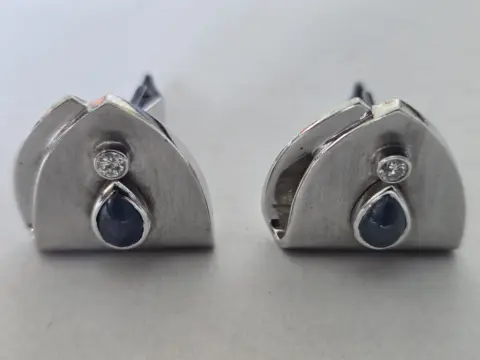
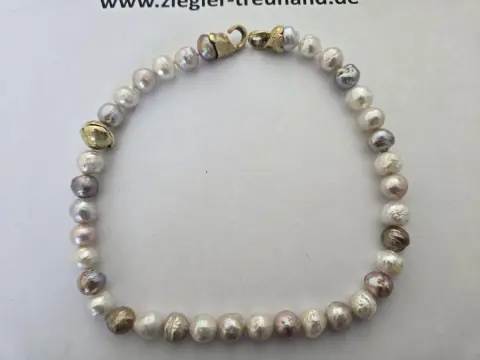

Provenance and auction vocabulary
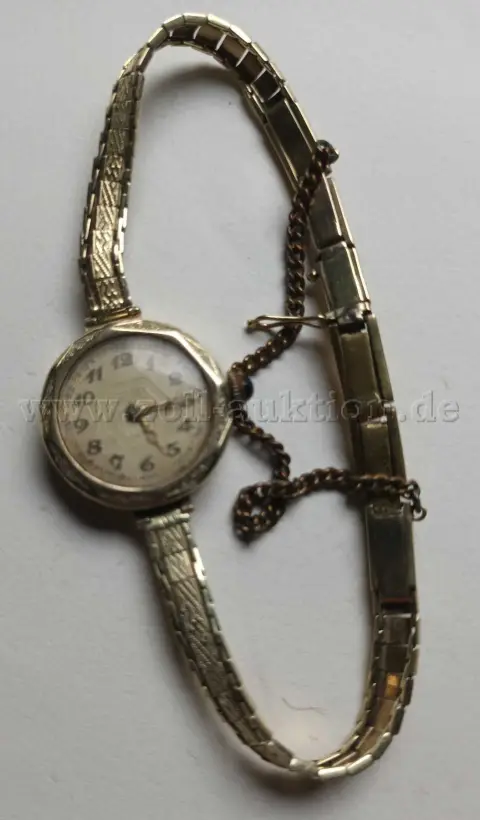
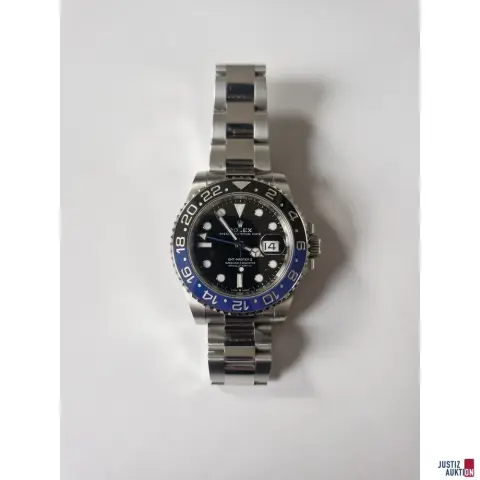
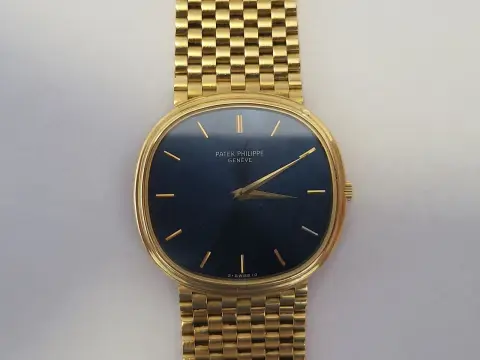
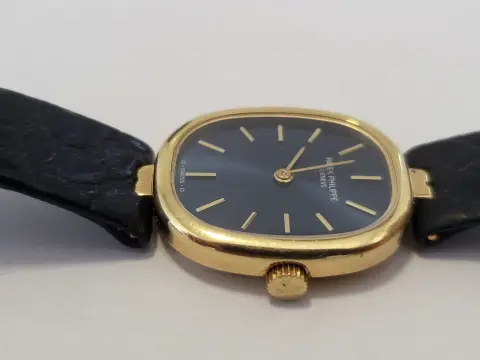
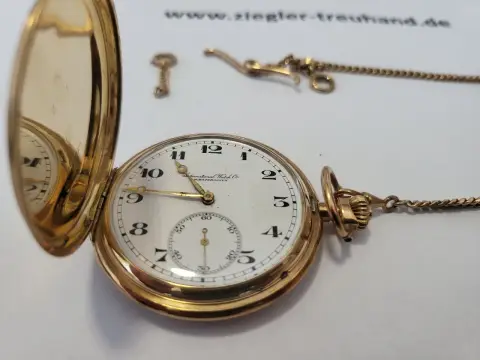
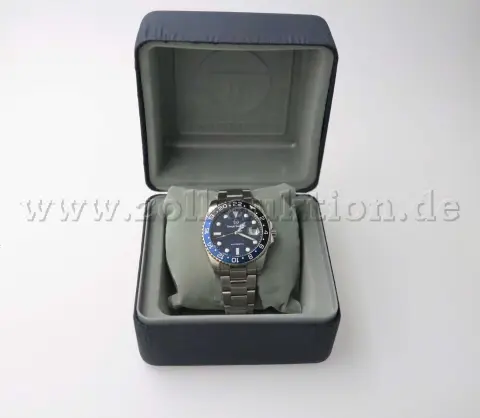
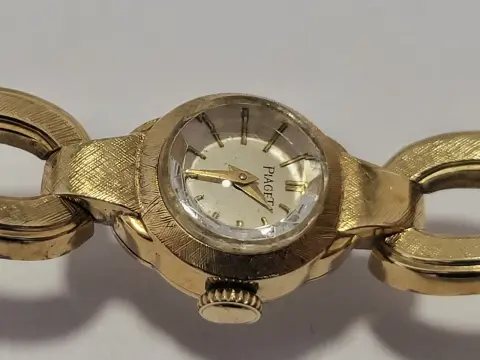
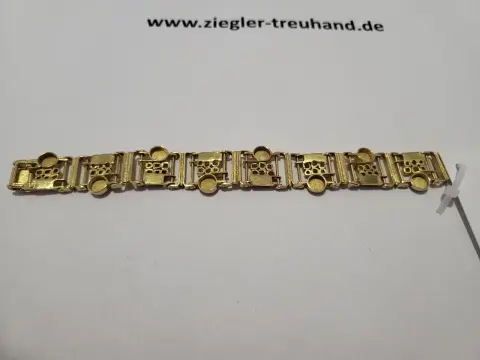
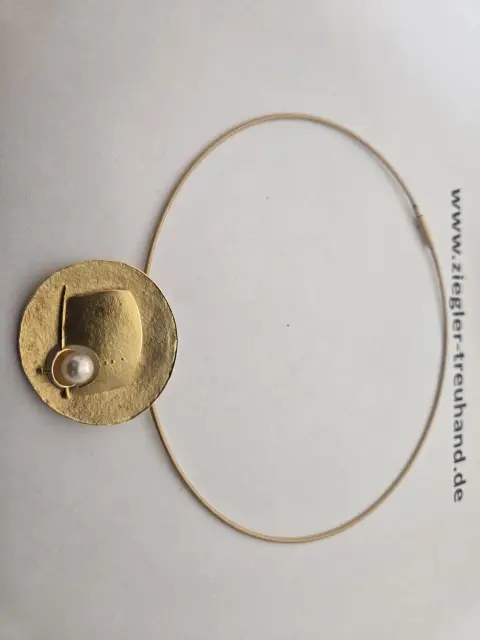
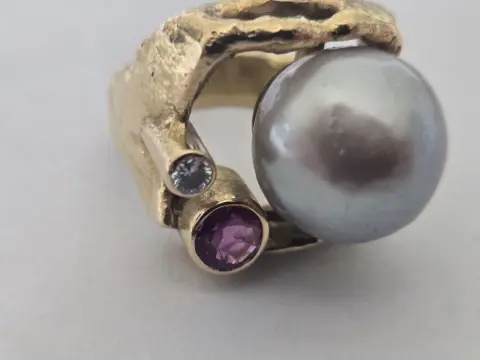
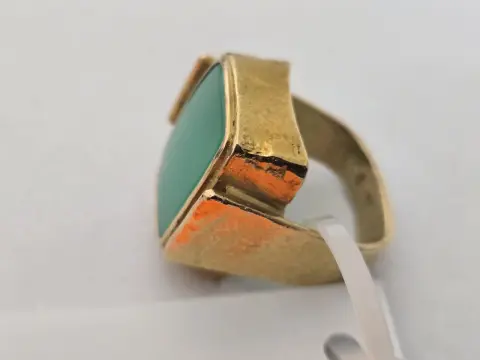
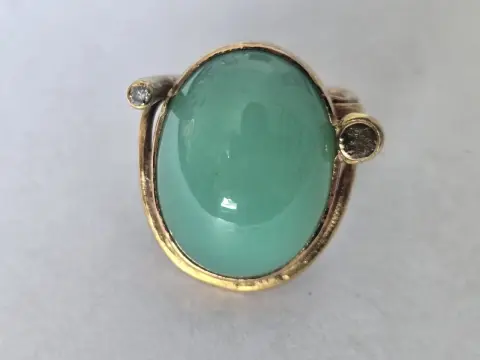
Provenienz (provenance) is a key point for jewellery and watches. German catalogues indicate the Schätzpreis (estimate), the Limit or Ausruf (starting price), and sometimes a Zustandsbericht (condition report). The terms signiert (signed) and Gebrauchsspuren (signs of wear) specify the condition. Seized jewellery and items also appear at Justiz-Auktion. An auction generally offers neither a guarantee nor a right of withdrawal like a standard online purchase: read each seller's terms. The Nachverkauf (sale after the auction) sometimes allows you to buy an unsold lot.
Checkpoints before bidding
Check the photos, the Zustandsbericht and the Gebrauchsspuren. For watches, check the movement, the case and the bracelet. For jewellery, examine the hallmarks, the stones and any restorations. Buyer's fees (Aufgeld) are often 25 to 33 % at art auction houses, and German VAT of 19 % is added depending on the regime (TVA en sus, TVA incluse or Differenzbesteuerung). The droit de suite (Folgerecht) may apply to certain works. For valuable cultural goods, an export licence may be required outside the EU. An EU professional with a valid intra-community VAT number can often buy free of German VAT by providing proof of transport (Gelangensbestätigung), depending on the seller.
Collection, delivery and customs
Many lots are to be collected on site (nur Abholung). Some sellers ship within Germany or the EU. Between Germany and another EU country, no customs duty applies. Only delivery outside the EU (Switzerland, United Kingdom, Norway) triggers import duties and VAT. Purchase orders are possible at some auction houses. Many lots go without a single bid, because sales are scattered and little known outside Germany: that is the purpose of the Bidorado Radar. Bidorado sells nothing: you bid on the seller's official website.