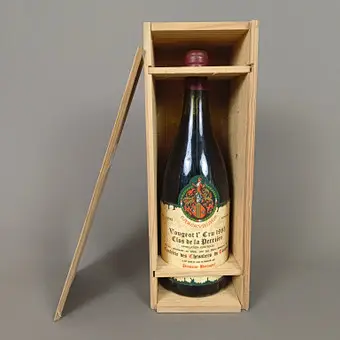
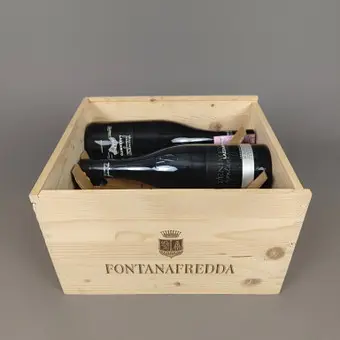
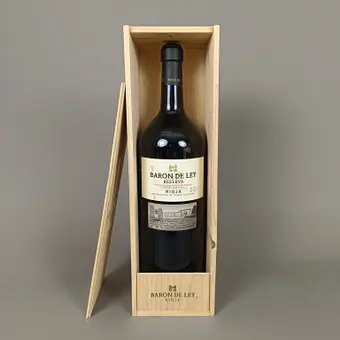


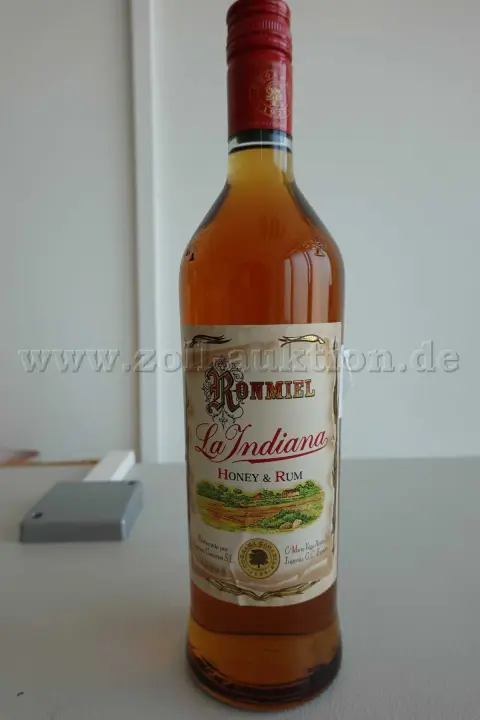
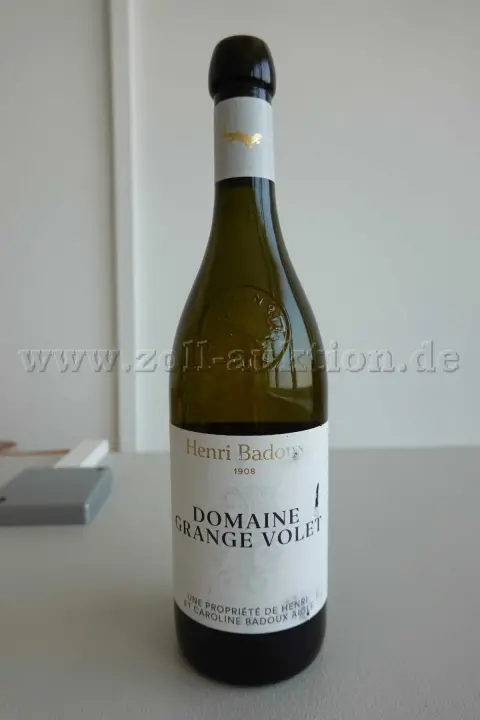
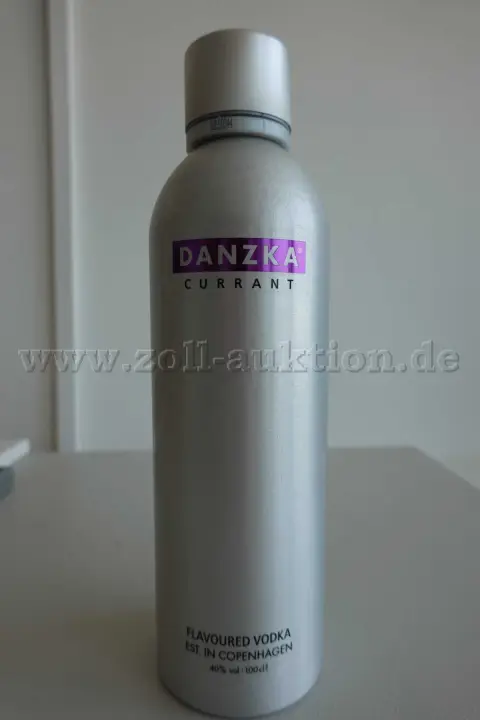
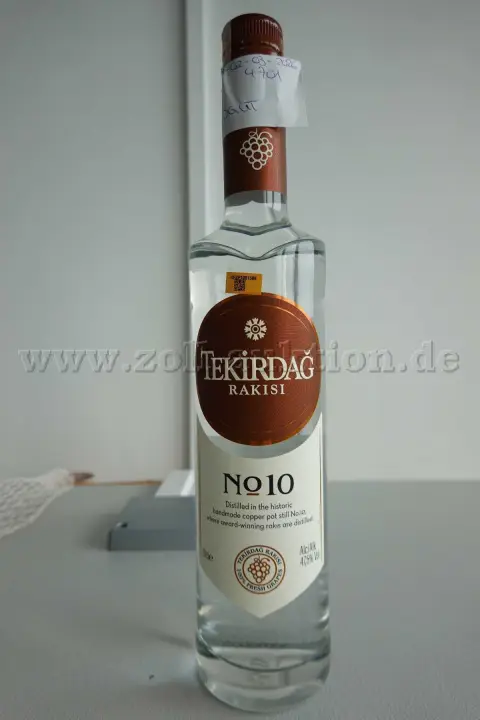


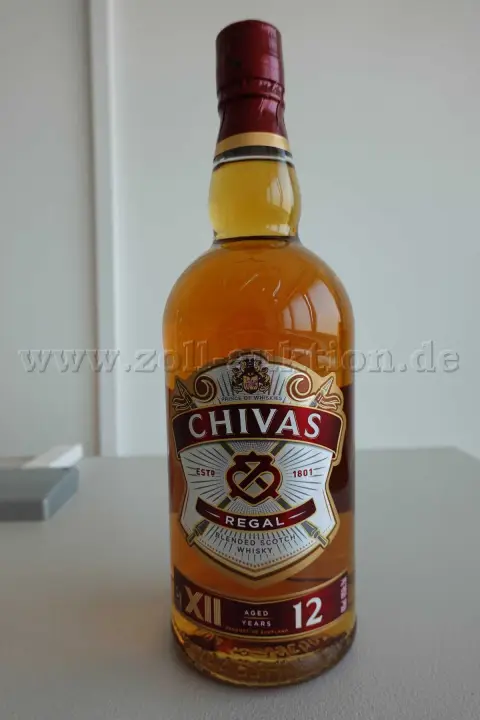
Provenance and condition of the bottles
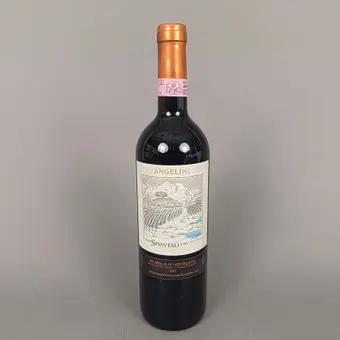
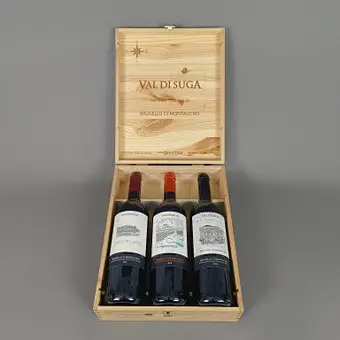
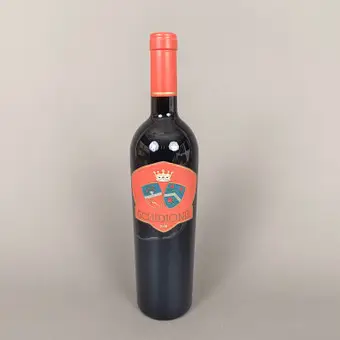
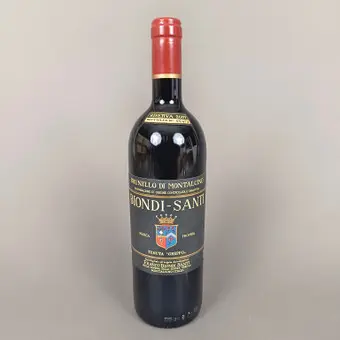
With wines and spirits, Provenienz often matters more than the label. A cellar kept by a private individual, an estate or a collection built up from original purchases is not worth the same as a lot with an unclear history. Ask for the origin, the storage history and, if the seller provides one, a Zustandsbericht. Check the fill levels, the condition of the capsules and labels, and the presence of signiert on signed bottles. Gebrauchsspuren are normal on older lots. The Schätzpreis gives an order of magnitude, not a guarantee. Compare it with the advertised Limit or Ausruf, and bear in mind that a lot may go unsold and then return in Nachverkauf.
Checks before bidding
Read the lot description and the seller's terms before bidding. At German art auction houses, buyer's fees often range from 25 to 33%, with VAT depending on the scheme, margin or VAT on top. Catalogued saleroom sales accept purchase orders and live online bidding; timed online sales close at a fixed time. Check the number of bottles, formats, vintages and any missing items. For collectible spirits, the condition of the cork and the fill level matter. An auction generally offers neither a guarantee nor a right of withdrawal: ask your questions before the close.
Collection, delivery and customs
Many wine and spirits lots are for collection on site, as "nur Abholung", because the transport of alcohol is regulated. Some sellers ship within Germany or the EU, sometimes with special packaging and a separate cost. Between Germany and another EU country, no customs duty applies; delivery outside the EU, to Switzerland, the United Kingdom or Norway, incurs import duties and VAT. An EU business with a valid intra-community VAT number can often buy without German VAT by providing proof of transport, depending on the seller. For valuable cultural goods, an export licence may be required outside the EU.