



Where these lots in Germany come from
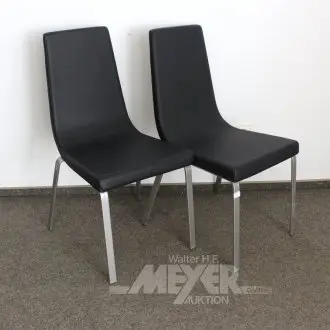
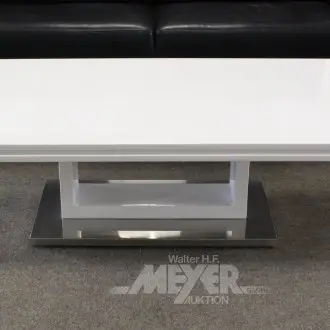
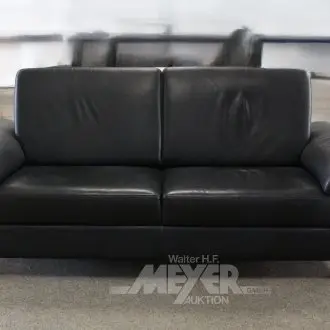
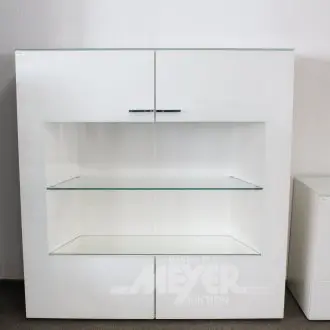
The furniture and objects in this category come from very diverse sources. Administrations and insolvent companies sell their office furniture during liquidations or insolvencies. Private auction houses offer antique and designer furniture, as well as fashion items and seized bags. Liquidation platforms clear entire stocks, sometimes new in Originalverpackung. Zoll-Auktion, the platform of customs and local authorities, auctions seized items and decommissioned equipment, with no buyer's premium. Justiz-Auktion, backed by bailiffs and courts, also offers seized goods with no buyer's premium. VEBEG, a federal company, sells government and military equipment, often by sealed tender. These sales are scattered and little known outside Germany, which explains why many lots go without a single bid.
How to bid from the UK
Bidorado is a free search engine: it does not sell anything. You find a lot, then you bid on the seller's official website, according to their rules. Create an account with the seller, read their terms and check payment and shipping arrangements. With private sellers, buyer's premiums generally range from 15 to 20% with liquidators and industrial platforms, and often from 25 to 33% with art auction houses. German VAT of 19% is added depending on the scheme: VAT added, VAT included or margin scheme. A UK or EU professional with a valid VAT number can often buy without German VAT by providing proof of transport, depending on the seller. An auction generally offers neither warranty nor right of withdrawal: read each seller's terms before bidding.
The real price: fees, VAT and transport
The displayed price is not always the final price. With private sellers, add the buyer's premium and VAT according to the scheme indicated on the lot. With Zoll-Auktion and Justiz-Auktion, there is no buyer's premium, but VAT may apply. With VEBEG, check the VAT scheme indicated on each lot. For furniture, transport often weighs more than the object: many lots are to be collected on site, in Selbstabholung, and dismantling may be at the buyer's expense, Abbau durch den Käufer. Some sellers ship within Germany or the EU, especially for small items like fashion, bags or small sports equipment. Ask for a delivery quote before bidding. From Germany to another EU country, there are no customs duties. Only delivery outside the EU, to Switzerland, the UK or Norway for example, incurs import duties and VAT.
Collection, dismantling and transport
Furniture is often sold in Selbstabholung, meaning to be collected by the buyer. Plan a suitable vehicle, straps, blankets and, if needed, a professional mover. For bulky furniture, Abbau durch den Käufer means dismantling is your responsibility: bring the necessary tools and check access, floors and door widths. Small items, such as fashion items, bags or small sports equipment, are sometimes shipped by the seller, within Germany or the EU. Always ask for the cost and time before the end of the sale. If the seller does not ship, you can appoint a carrier or a friend on site. Check the collection deadlines imposed by the seller: storage fees may apply for late collection. Do not leave a lot without a transport solution.
Paperwork and formalities
To bid, you generally need to create an account with the seller and accept their terms. For a professional purchase without German VAT, a valid VAT number and proof of transport, the Gelangensbestätigung, are often required, depending on the seller. Keep the invoice and transport documents: they prove the export and the VAT scheme applied. For delivery outside the EU, prepare customs documents and expect import duties and VAT. For fashion and branded bags, check the authenticity indicated by the seller and read the description carefully. An auction generally offers neither warranty nor right of withdrawal like a classic online purchase. Read each seller's terms and ask your questions before the end of the sale. If in doubt, ask for additional photos or written clarification.
Pitfalls to avoid
Read the German description carefully: Gebrauchsspuren means signs of use, Kratzer means scratches, unvollständig means incomplete. These mentions are not trivial and often justify the low price. Check if the lot is sold in Selbstabholung and if Abbau durch den Käufer applies: the cost of transport and dismantling can exceed the price of the furniture. For fashion and branded bags, do not rely on the photo alone: check the authenticity indicated by the seller. With private sellers, add up the buyer's premium and VAT before bidding, and check the VAT scheme on each lot. Do not assume an item is shipped: many lots are to be collected on site. Finally, an auction generally offers neither warranty nor right of withdrawal: read each seller's terms and ask your questions before the end of the sale.