














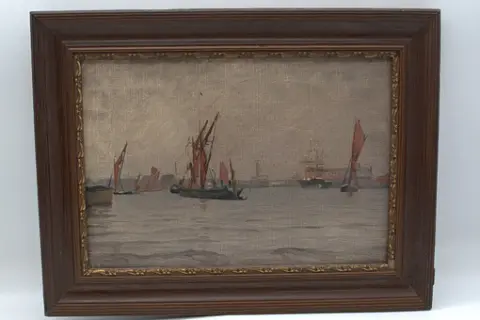
Provenance and catalogue details
Provenienz is a key point for a painting. Read the catalogue entry and look for mentions of previous owners, exhibitions or publications. A painting that is signiert (signed) is not necessarily authentic: the signature may have been added or disputed. The Schätzpreis (estimate) frames the expected value, while the Limit or Ausruf (starting price) sets the actual start of the auction. Ask for the Zustandsbericht (condition report) and look at the Gebrauchsspuren (signs of wear): restorations, overpainting, relining, losses or original frame. For valuable works, an export licence may be required outside the EU. Also check the droit de suite (Folgerecht) mentioned by the seller.
Checkpoints before bidding
At German art auction houses, buyer's fees often range from 25 to 33%, with VAT depending on the regime (VAT added, VAT included or Differenzbesteuerung). Add these fees to the hammer price to know your actual cost. Check whether the sale is a catalogue sale in the room with live online bidding or a timed online sale, and whether purchase orders are accepted. An EU professional with a valid intra-community VAT number can often buy without German VAT by providing proof of transport (Gelangensbestätigung), depending on the seller. An auction generally offers neither guarantee nor right of withdrawal: read the seller's terms.
Collection, delivery and Nachverkauf
Many paintings are to be collected on site (nur Abholung), especially large formats or fragile frames. Some sellers ship within Germany or the EU: ask for a quote before bidding and raise the question of insurance and packaging. Between Germany and another EU country, no customs duty applies. Only delivery outside the EU (Switzerland, United Kingdom, Norway) incurs import duties and VAT. If the lot does not sell, it may go to Nachverkauf (sale after the auction): keep an eye on this phase, as the terms and price may change.